
Covid report reveals impact on financial abuse
Harriet Ernstsons-Evans • April 20, 2021
A new report from SEA reveals how the Coronavirus pandemic has impacted victims of financial abuse.
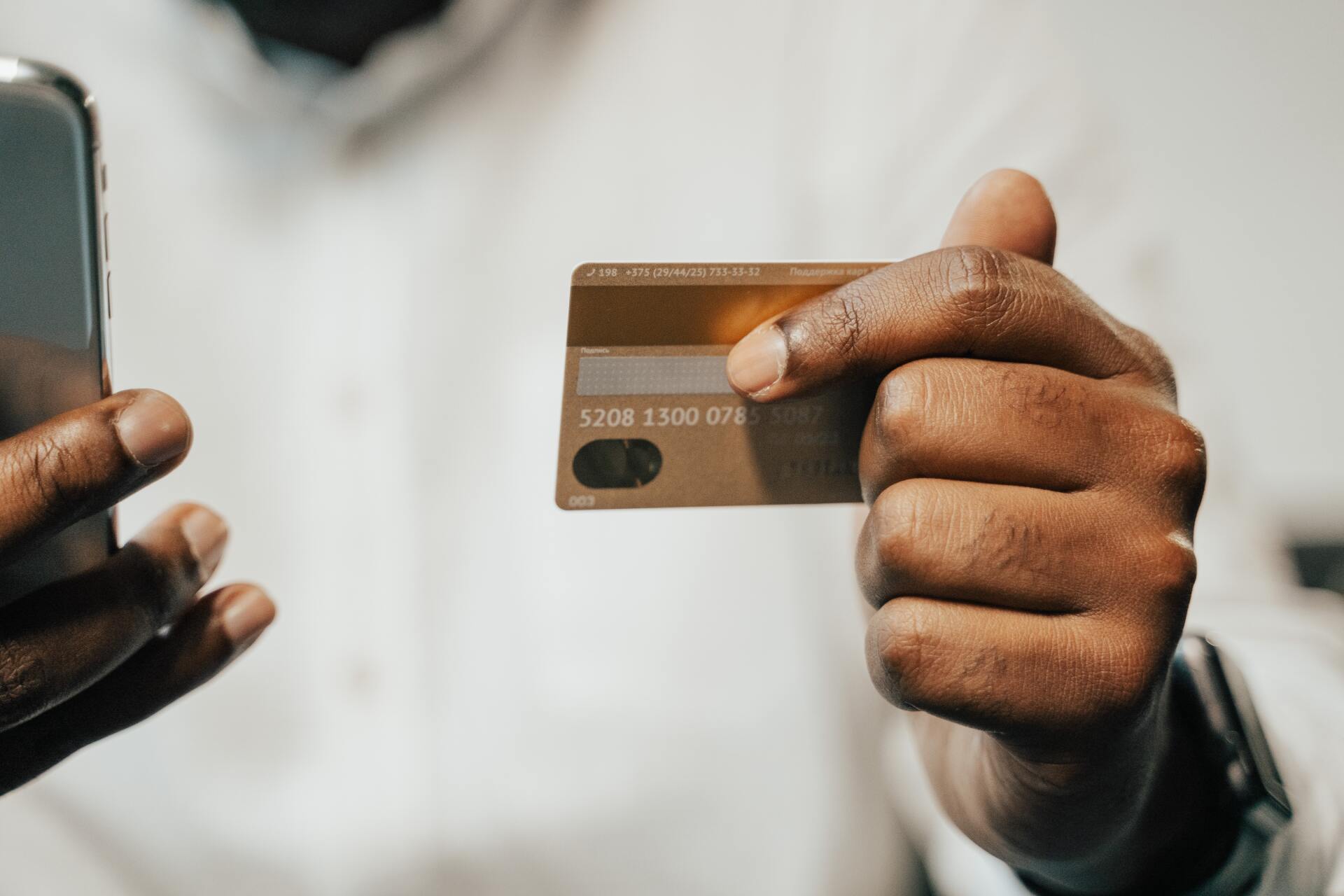
The impact of the Covid-19 lockdowns has been felt right across the UK and beyond – and this is particularly true for those going through any type of domestic abuse, including Child to Parent Abuse (CPA).
We know from our own research that many of our PEGS parents have experienced financial abuse alongside other types of behaviour (physical, emotional, sexual etc). This can include:
- Stealing money or items from the parent or the home.
- Coercing them into spending money they don’t want to, or buying items they can’t afford.
- Running up credit card or other bills in the parent’s name.
- Deliberately damaging items so that they have to be replaced.
- Interrupting the parent’s job to the extent that they have to reduce their hours or quit altogether.
- Being forced to pay for their child’s alcohol/drugs use.
The team at Surviving Economic Abuse
(SEA) has recently released a report showing the impact of lockdowns on those they support – and we wanted to highlight some of the key findings as we know they will sadly be very relevant for many of our families. It’s also crucial for the professionals we work alongside to have an understanding of this type of abuse.
The full report is available here
and there’s also a handy summary sheet to give a real overview of the key issues for people during the Coronavirus pandemic.
Some of the statistics may only apply for those experiencing intimate partner abuse, or where the perpetrator has sole control of the household income. But other findings are absolutely relevant in homes where CPA is experienced.
From speaking to those experiencing financial abuse, SEA found that:
- In more than two fifths of cases (43%), the perpetrator had interfered with their ability to work or study.
This reflects what we found when surveying our PEGS parents – 34% of whom had reduced their working hours as a result of CPA, in addition to 22% who had left employment altogether as a direct consequence of CPA.
- As a result of the perpetrators’ actions during the pandemic, more than a third (39%) said their financial situation had ‘significantly worsened’ and another third (33%) said it had ‘slightly worsened’.
- And more than four fifths had attempted to control their money or finances during the pandemic. In most cases, this attempt had been successful.
While these findings are worrying, it’s good to see research being undertaken so that more can be understood about what’s going on in homes where all types of domestic abuse – including CPA – is happening. The more we know, the more organisations such as SEA, PEGS and many others can support parents and train professionals.

One of the things we hear most often at PEGS is: “They don’t hit me… but they destroy the house.” A door kicked through. A phone smashed. A hole in the wall. Personal belongings ripped up or thrown outside. Furniture overturned. Glass shattered. And almost always, the parent follows it with, “I don’t know if this counts.” It does. In our work, 91% of the parents we support tell us that their property has been damaged or destroyed as part of their child’s behaviour. That’s not a one-off loss of temper. That’s a pattern. And patterns matter. It’s rarely about the object When something gets broken in this context, it is rarely random. Parents say things like: “He knows exactly what to break.” “It’s always something important to me.” “When the door goes, I know it’s about control.” Property damage in Child to Parent Abuse is often about power. It can be a way of saying: I can reach you. I can frighten you. Nothing here is safe. You can’t stop me. Over time, it changes how parents live in their own homes. They hide things. They replace items with cheaper versions. They stop putting pictures on walls. They choose their words carefully. They walk on eggshells. It isn’t “just stuff”. It’s about intimidation, control and fear. The impact most people don’t see There is the obvious damage - the broken door, the smashed screen. But what often goes unseen is everything that comes with it. The financial pressure can be relentless. Replacing phones. Repairing walls. Fixing locks. Some parents go into debt. Others live with damage because they simply can’t afford to fix it. For families in rented accommodation, there is another layer of fear. We have spoken to parents who are terrified of eviction because of the state of their home. “I dread the landlord inspection more than the arguments.” There are safety risks too. Items thrown in anger don’t always land where they were intended. Siblings witness it. Younger children absorb it. Pets hide. And then there is the emotional toll. Parents describe the dread - the constant waiting for the next crash or bang. The way their body stays tense. The shame of not telling anyone what’s happening. The fear of being blamed. “It’s the anticipation. Listening for footsteps. Wondering what will go next.” When your home stops feeling safe, it affects everything. Why it gets minimised Property damage is often dismissed as “normal teenage anger” or “behavioural issues”. Parents are told they need stronger boundaries, better consequences, and different parenting strategies. But when property damage forms part of a pattern of intimidation, threats or emotional harm, it is not simply behaviour. It is part of Child to Parent Abuse. If we ignore it because it hasn’t yet crossed a criminal threshold, we miss the opportunity to intervene early. What might help The first step is recognising that this matters. If things are being broken in a way that feels frightening, targeted or controlling, trust that instinct. Safety planning can help - thinking about safe spaces, about who you could contact if things escalate, about reducing immediate risks where possible. Reducing isolation matters too. Shame thrives in silence. Speaking to someone who understands Child to Parent Abuse can shift that sense of being alone with it. Professionals also need to recognise property damage for what it can represent. It isn’t always about anger management. Sometimes it is about power, and that requires a different response. At PEGS, we believe parents deserve to feel safe in their own homes. If your belongings are being destroyed and it feels bigger than “just stuff”, you are not overreacting. You are responding to harm. And you deserve support that understands that.

Six Years of PEGS: Reflection, Growth and Looking Ahead

We are thrilled to announce that the Allen Lane Foundation has generously funded a new Workshop Lead role to coordinate and deliver online workshops for parents and carers affected by Child-to-Parent Abuse (CPA) over the next 12 months. Parents and carers affected by CPA are often isolated, unsupported, and unsure where to turn. Our 2024 survey shows that 96% of parents feel isolated, 94% stressed, 92% scared, and 100% report an impact on emotional wellbeing. Over 70% have had to reduce or leave work. With demand for support rising to over 450 referrals per month and a 116% increase in November 2025 there is an urgent need for structured, accessible help. Expanding Online Workshops and 1:1 Support The new Workshop Lead will deliver a weekly online workshop for up to 15 participants, covering practical and emotional wellbeing topics such as stress management, goal-setting, and specialist techniques like Emotional Freedom Technique (EFT). Alongside the weekly sessions, the project will also run: Bi-monthly two-part specialist workshops Monthly wellbeing workshops By taking the lead on workshop delivery, the Workshop Lead will free up our practitioner team to provide more personalised one-to-one support to high-risk parents, reaching an additional estimated 50 parents in need. Over 12 months, we anticipate that over 200 parents will benefit directly from group workshops, gaining tools to manage risk, improve emotional wellbeing, reduce stress, and build confidence. The workshops will also create a safe space for peer connection, helping to reduce isolation and foster resilience. Measuring Impact We will track success through attendance figures, participant feedback, and pre- and post-workshop surveys to capture changes in confidence, coping strategies, and wellbeing. Practitioners will also monitor the effect of increased one-to-one support to ensure parents feel safer, supported, and better able to manage their situation. Michelle John, our founding director, says: "Allen Lane Foundation’s continued support enables us to reach more parents and provide the practical guidance and personal support they urgently need. This Workshop Lead role will make a real difference, helping parents feel safer, more confident, and connected, while allowing our practitioners to provide targeted one-to-one support where it’s needed most." We are incredibly grateful to the Allen Lane Foundation for their ongoing belief in our work. This funding allows us to expand our online support, reach more parents, and provide both group and personalised assistance for those affected by CPA.