
You're not alone.

We support parents dealing with Child to Parent Abuse
We’re here to reduce the impact of Child to Parent Abuse by supporting parents, training professionals, influencing policy and raising awareness.
What is PEGS?
PEGS is a social enterprise set up to support parents, carers and guardians who are experiencing child to parent abuse, including those with adult offspring. We understand how complex and isolating this experience can be, and our focus is on providing a safe, non-judgemental space where families feel heard, supported, and empowered to move forward.
While we do not work directly with the child displaying the behaviours, we have a trusted network of partners whose expertise lies in this area, ensuring families can access the right support when they need it. Alongside this, we train frontline professionals to recognise and respond to child to parent abuse with confidence and compassion, and work with national and regional organisations to help shape policies that create lasting, meaningful change.
What is CPA?
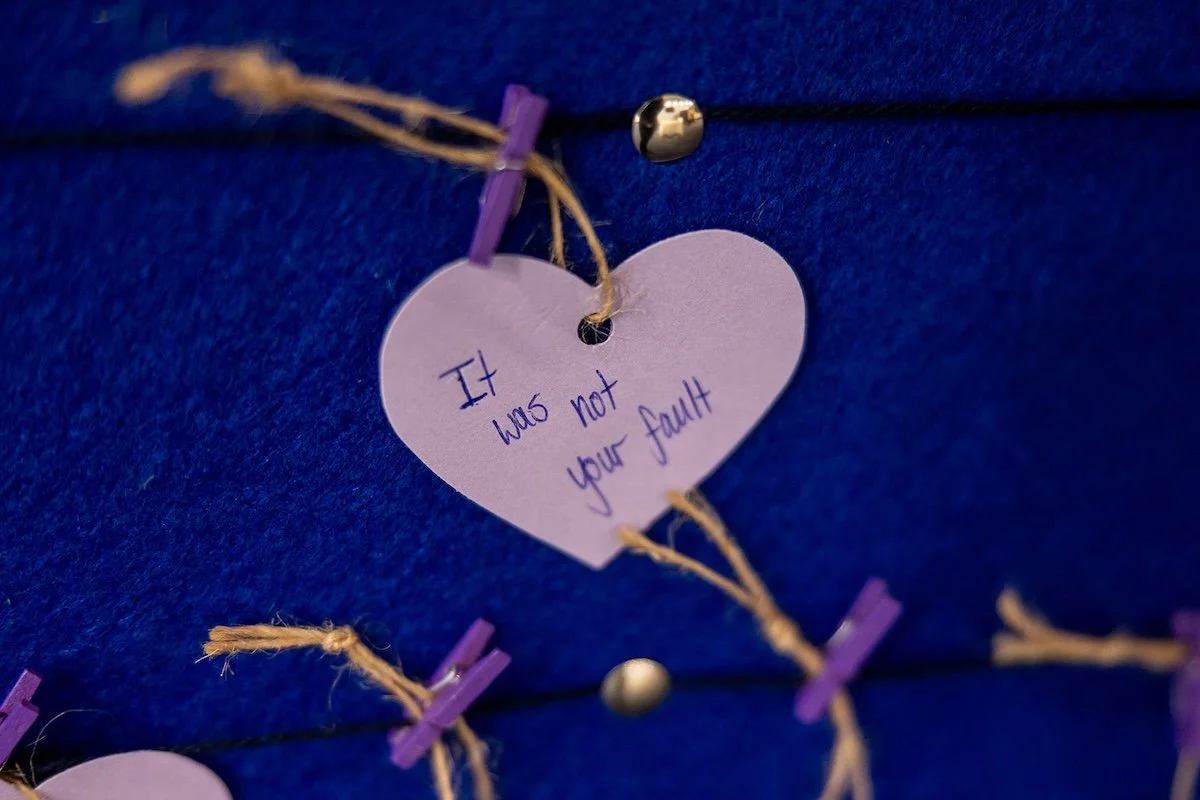
Child to Parent Abuse is where a child (of any age) displays repeated abusive behaviours towards a parental figure. This abuse may be physical, verbal, economic, digital, coercive or even sexual - and it's thought to occur in at least 3% of UK homes, although the real figure could be much higher.
CPA is not 'typical' challenging behaviour experienced by most parents. It causes parents to feel fearful, isolated and like they're treading on eggshells, forces them to leave their careers and change their routines and lifestyles, and has a profound impact on families.

Our impact
Since 2020, PEGS has reached thousands of families across the UK, providing vital support to parents and guardians experiencing child to parent abuse.
PEGS Online Summit 2026
Join us for the Child to Parent Abuse Summit 2026
ACT: Advancing Change Together
A national online event bringing together professionals, policymakers, researchers, frontline practitioners and lived-experience voices to strengthen responses to Child to Parent Abuse.
Support we provide
We've developed a range of virtual services for parents to enable access from anywhere in the UK, alongside training and policy consultancy for organisations looking to recognise CPA, improve their responses to it, and support those impacted by this type of abuse.
-
![1:1 Support from PEGS]()
1:1 Support
Our one-to-one support gives parents, carers and guardians the chance to speak regularly with a dedicated CPA practitioner. These sessions offer a safe, compassionate space to talk through what is happening at home, explore practical next steps, build confidence and feel supported without judgement. Where needed, this support may also include advocacy, such as helping parents navigate meetings with professionals.
-
![Peer support group at PEGS]()
Peer Support Group
This is a private online monitored facebook group for those who have made a referral into us. Our peer support group offers a safe, closed space for parents to connect with others who truly understand what it feels like to experience Child to Parent Abuse. Members can share experiences, offer reassurance, ask questions and receive support from people in similar situations.
-
![Practitioner Led Sessions from PEGS Child to Parent Abuse Support]()
Practitioner Led Sessions
Our virtual drop-ins give parents regular opportunities to access support from a PEGS practitioner in a safe and understanding online space. They are a chance to talk about what is currently happening, share worries, ask questions and connect with others, with sessions held at different times to make support as accessible as possible.
-
![A woman with long red hair smiling at the camera.]()
EPIC Sessions
Our EPIC sessions, Empowering Parents in Crisis, are designed for parents, carers and guardians experiencing Child to Parent Abuse.
EPIC is a co produced six week online programme for parents, carers and guardians impacted by child to parent abuse, offering emotional reassurance, practical tools and guided support.
-
![PEGS Workshops]()
PEGS Workshops
Our workshops are created around the needs of parents and focus on topics that support resilience, wellbeing and empowerment. From self-care and confidence building to practical strategies for navigating CPA, each workshop is designed to give parents useful tools, reassurance and a stronger sense of support.



Accessing support
To access support from PEGS, parents and carers will need to complete a self referral form. Once submitted, our team will carefully review your information and make sure you are guided towards the most appropriate support for your situation. We’re here to listen, understand what you’re going through, and help you get the best support from PEGS.

You don’t have to do this alone
If you feel ready, completing our self referral form is the first step towards getting the support you deserve.
Please note: Parents and carers must provide a correct email address when completing the referral form. If no email address for the parent is provided we won't be able to process the referral.
For professionals
Professionals play a vital role in recognising and responding to Child to Parent Abuse, but CPA is still often misunderstood or missed. PEGS works with practitioners, organisations and services to build confidence, increase understanding and improve outcomes for families.
Through specialist training, resources and guidance, PEGS helps professionals identify the signs of CPA, understand the impact on parents and carers, and respond with compassion, curiosity and confidence.
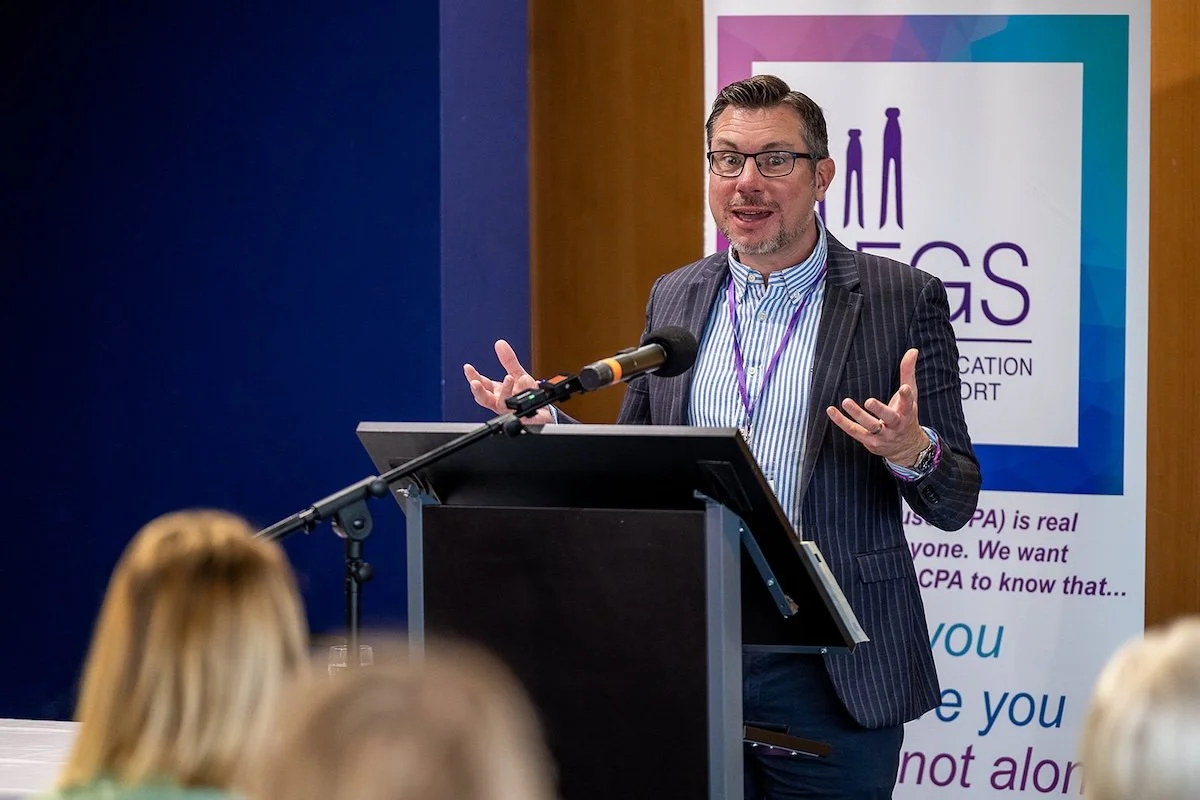
Recognising CPA
Child to Parent Abuse can be difficult to identify, especially when families may feel frightened, ashamed or unsure how to talk about what is happening at home. PEGS helps professionals recognise the signs of CPA and respond in a way that is safe, supportive and free from judgement.
Through guidance, training and professional resources, PEGS encourages services to listen to parents, believe their experiences and understand that CPA is not a parenting issue. The right response can make a huge difference to families who may have been coping alone for a long time.
PEGS Conference
The PEGS Conference brings together professionals, speakers and organisations who are committed to improving understanding and responses to Child to Parent Abuse.
With expert talks, practical workshops, panel discussions and opportunities to network, the conference is a valuable space for learning, sharing best practice and exploring the wider safeguarding issues connected to CPA. It is designed for professionals who want to deepen their knowledge, strengthen their response and help create better outcomes for families.

Join our professional information session
We offer regular free online drop in sessions for professionals who support families. Our awareness sessions are for professionals who may come across child to parent abuse within their roles.



Join us to learn:
Who are PEGS and what do we do?
Who can we support?
What support is offered to parents?
How to refer into PEGS?

A letter from our founder
A heartfelt letter from our founder to any parent who is feeling overwhelmed, isolated or unsure where to turn. Written with compassion and understanding, this letter is a reminder that you are not alone, you are not to blame, and support is here when you’re ready.

“PEGS may be run by us, but it belongs to a community of parents, carers, and guardians who face some of the most unsafe and difficult times in their lives. It’s a privilege to walk alongside them, to listen, support, and create change together.”
- Michelle John MBE, Founder

Our partners and supporters
We’re incredibly grateful to the partners, funders and supporters who help make PEGS’ work possible. Their support enables us to raise awareness, reach more families and continue providing vital help for parents, carers and guardians experiencing child to parent abuse. Together, we can create greater understanding, stronger support and lasting change.









As seen in the media
As seen in the media, PEGS has featured across national and local news, including This Morning, helping to raise vital awareness of Child to Parent Abuse and reach more families who need support.











What they say…